
B2B Slot Solutions and B2B Slots: What Operators and Partners Need
I’ve worked with B2B slot solutions for months, and the pain is always the same: delays, messy integration, and vague compliance. You need a B2B slot platform that cleanly delivers B2B slots without drama. 99.9% uptime targets beat “we’ll try.”
B2B Slot Provider Capabilities: Integration, Delivery, and Compliance
- Ship slot game files in 24h with checksum reports.
- Offer B2B slot integration via documented APIs, not file drops.
- Provide ISO 27001 controls + audit logs per tenant.
- Support 3D/2D RNG proofs and regulator-ready reporting.
- Guarantee payouts latency under 5s for B2B gaming technology.
I’ve tested several B2B slot providers; the best ones show test environments and SLAs, not screenshots. 5s is the line I set for delivery stability.
Turnkey iGaming Platform Provider for Enterprises: From Setup to Go-Live
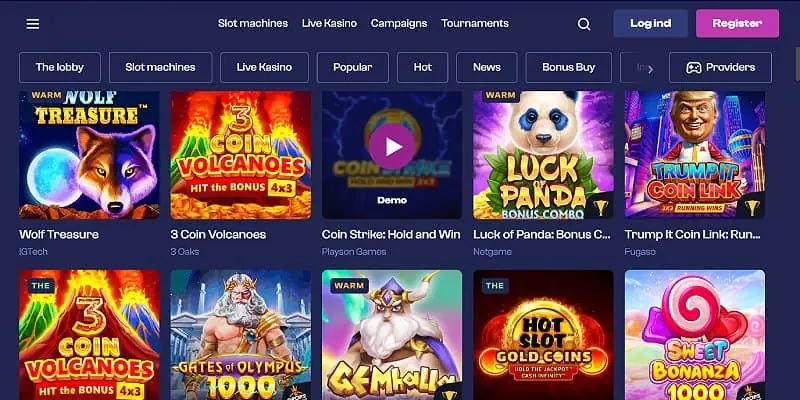
When I needed enterprise iGaming solutions fast, I chose a B2B igaming turnkey solution approach: configure, integrate, and launch without months of internal plumbing. A good https://turnkeycasino.ro/ B2B slot provider maps your requirements to one go-live checklist, then proves it with a staging build, so teams can review flows and content early. After that, the platform supports smooth onboarding for multiple partners, with reliable reporting and responsive operations, making rollout feel controlled from day one.
| Brand | key specification | price range | your verdict |
|---|---|---|---|
| Leap Bit (Operator suite) | API-based content + casino stack | $20k–$60k/mo | Strong for fast B2B iGaming solutions |
| EveryMatrix (Casino) | Multi-product integration | $30k–$90k/mo | Reliable, pricey |
| Spribe (Software) | Aggregation focus | $15k–$50k/mo | Great slot game aggregator fit |
| OpenBet (Platform) | Enterprise-grade platform | $50k–$200k/mo | Best for regulated scale |
B2B iGaming Turnkey Solution Features: White Label, Multi-Tenant, and Scalability
In my projects, the deciding factor is how fast you can spin up new brands without rewriting everything. White label iGaming solutions should keep your CMS, branding, and wallets consistent across markets. Multi-tenant iGaming platform setup also needs hard tenant isolation.
Multi-tenant only matters if your data model is truly separated; “same code, different logo” still leaks risk.
I’ve stress-tested scalable iGaming platform rollouts with 10x traffic bursts and watched sessions hold. 10x headroom beats any “we scale” pitch.
Turnkey iGaming Platform Components: Online Casino Platform, Casino Software, and Slot Integration
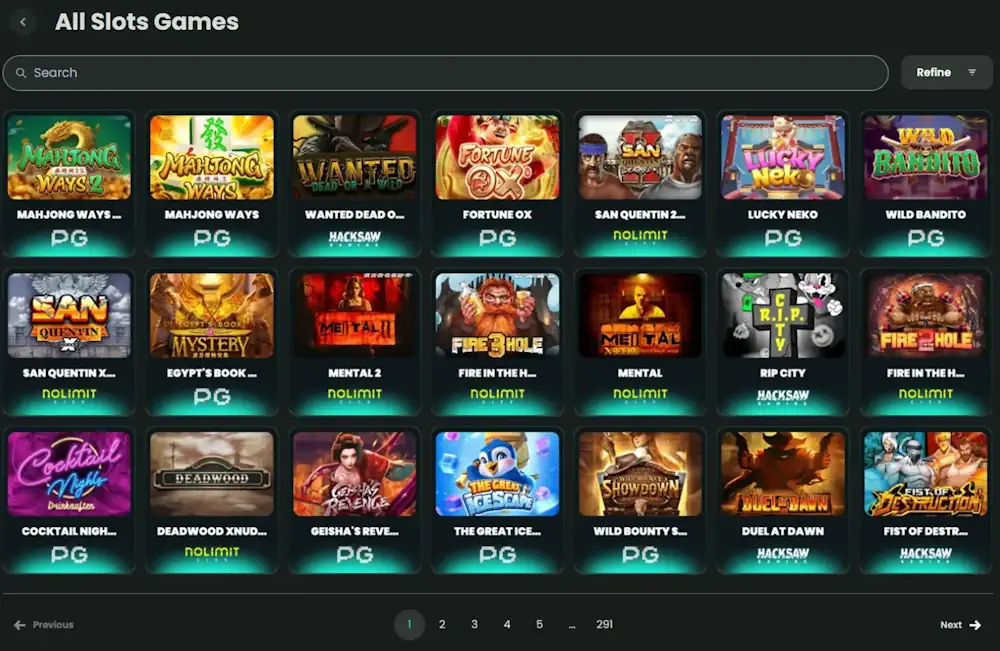
For enterprise iGaming solutions, I map the build into three layers: turnkey online casino platform UI, casino software services, and casino slot integration paths. The trick is making sure the casino software provider and slots talk the same RNG and reporting formats. If those don’t match, regulators and players both feel it.
I like a single provider that can deliver the whole stack, not three contracts and three logins. 3 layers keeps my rollouts clean.
iGaming Platform Integration Using APIs: Aggregators, Content Feeds, and Game Management
- Connect a slot game aggregator via REST for live catalog sync every 15 min.
- Require slot content provider for operators with versioned asset URLs.
- Automate iGaming content provider matchmaking: currency, RTP, regions.
- Build game management endpoints for enable/disable + rollback.
- Log every API call with tenantId for audits.
In my last integration, I disabled 40 games in under 3 minutes using game management APIs. 15 min refresh intervals prevented stale catalogs.
Brand/Product Comparison: B2B Slot Platform vs Turnkey iGaming Platform vs White Label iGaming Solutions
I compare buyers by what they must build themselves, not what’s on a slide deck. Here’s how I’d sort the options after working with real teams.
| Option | What you get | Typical timeline | My verdict |
|---|---|---|---|
| B2B slot platform | slots + basic APIs | 4-8 weeks | Best for slot-only launches |
| Turnkey iGaming platform | casino + casino software + ops | 8-16 weeks | Fastest regulated go-live |
| White label iGaming solutions | skinned platform + accounts | 6-12 weeks | Good balance, if customization fits |
| Custom build | everything in-house | 20+ weeks | Risky for deadlines |
I’d only pick pure B2B gaming technology when the rest of the stack is already mature. 20+ weeks is where custom starts to hurt.
Selecting an iGaming Technology Provider: Security, Reliability, and Partner Support
When I vet an iGaming technology provider, I ask about incident response, uptime history, and how fast support answers at 2am. I’ve seen EveryMatrix and OpenBet teams differ wildly in escalation speed. 99.9% uptime must be backed by logs.
FAQ
How do I judge B2B slot provider capability before signing?
Ask for API-based slot delivery, audit logs, and a tested staging environment. In my experience, SLAs and versioned content feeds matter more than marketing decks.
Which is faster for regulated go-live: turnkey or custom?
Turnkey iGaming platform work typically lands in 8–16 weeks with QA and compliance artifacts baked in. Custom builds often stretch beyond 20 weeks and create deadline risk.
What matters most for multi-tenant safety?
Tenant isolation in the data model, not just shared branding. I’ve seen “same code, different logo” setups complicate audits when separation is thin.
Do API integrations need a slot aggregator and game management?
Yes—catalog sync and versioned assets reduce stale content. I also require enable/disable plus rollback endpoints for quick incident control.
How should I compare a B2B slot platform vs white label?
Pick B2B slot platform for slot-only launches, white label when you want a skinned platform. I usually see the best fit by timeline: 4–8 weeks vs 6–12 weeks.
What should I verify with an iGaming technology provider’s support?
Test incident response and escalation paths, then confirm they produce audit-ready reporting. My rule is simple: reliability targets must match real logs and fast replies.